Get Loose Fill Paving Installation
Loose fill paving installation services help property owners improve driveways, walkways, and outdoor surfaces by providing durable, attractive, and easy-to-maintain paving solutions handled by local contractors.
Loose fill paving installation is a practical solution for property owners seeking durable and versatile surfacing options. Whether planning a new driveway, pathway, or recreational area, exploring local contractors who specialize in loose fill paving can help ensure the project meets specific needs and preferences. Property owners often consider this type of paving for its ease of installation, permeability, and ability to blend naturally with surrounding landscapes. Continuing to explore your options allows for a better understanding of the different approaches available within the local area.
By comparing services from local contractors experienced in loose fill paving, property owners can find solutions tailored to their property's unique characteristics. Evaluating various providers helps ensure the chosen installation method aligns with practical requirements and aesthetic goals. Keeping informed about local options can make planning your project more straightforward, giving confidence in selecting the right professional to handle the work.
- Residential Driveways - homeowners may need loose fill paving installation for durable and attractive driveway surfaces.
- Commercial Parking Lots - businesses seeking cost-effective and permeable paving options for parking areas can rely on local contractors.
- Pathways and Walkways - property owners wanting to enhance safety and aesthetics with stable, loose fill paved pathways.
- Garden and Landscape Features - landscapers and homeowners may opt for loose fill paving to create functional garden borders and features.
- Public Parks and Recreational Areas - municipalities or organizations might require loose fill paving for eco-friendly, accessible outdoor spaces.
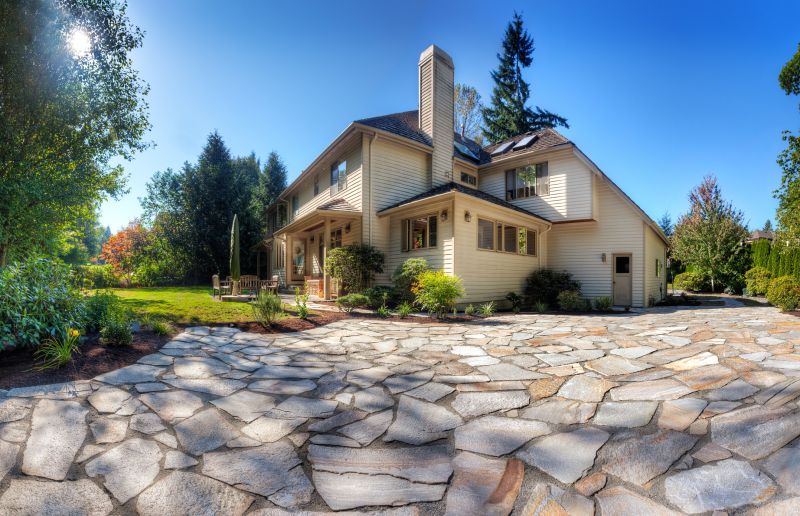
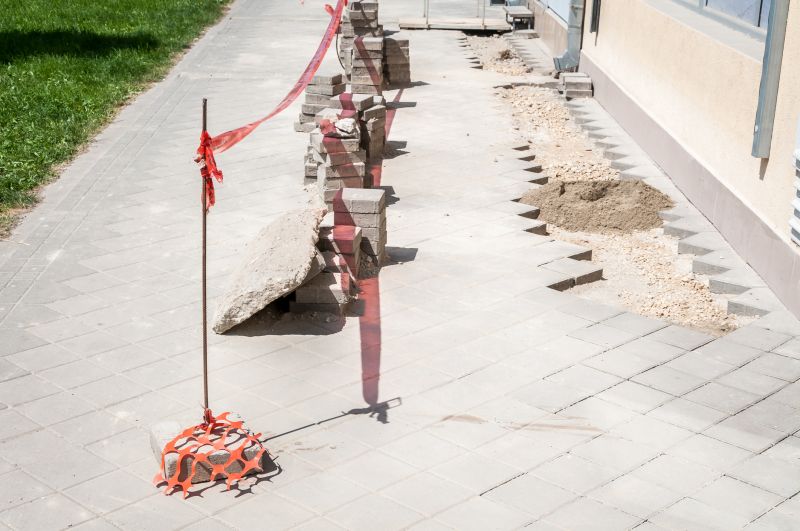
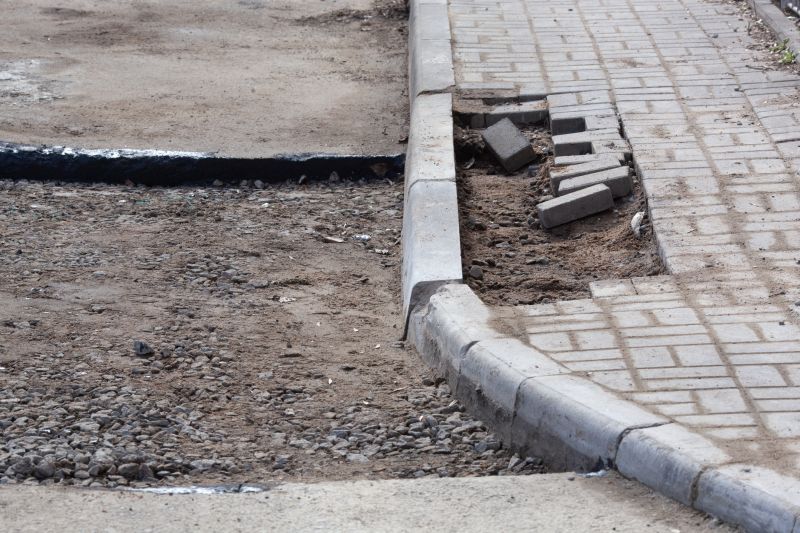
Loose fill paving installation involves spreading a mixture of small, loose materials such as gravel, crushed stone, or other aggregate substances over a prepared base surface. This method creates a permeable and flexible surface that allows water to drain through, reducing runoff and pooling issues. The installation process typically includes preparing the site, laying a stable base, and evenly distributing the loose material to achieve a smooth, durable surface. This type of paving is often chosen for driveways, pathways, and parking areas where drainage and flexibility are priorities.
One of the primary benefits of loose fill paving is its ability to address common problems associated with traditional solid surfaces. It helps prevent water accumulation and erosion by allowing water to pass through the surface rather than pooling on top. Additionally, loose fill paving can be easily repaired or adjusted if areas become uneven or damaged, making it a practical choice for properties that experience shifting ground or require ongoing maintenance. It also offers a cost-effective alternative to more permanent paving options, especially for properties needing temporary or adaptable surfaces.
Loose fill paving is frequently used on residential properties, including driveways, garden paths, and backyard patios. It is also suitable for commercial properties that require flexible parking solutions or outdoor walkways. The porous nature of this paving type makes it ideal for properties where managing stormwater runoff is a concern. Property owners looking for a natural, rustic aesthetic may also prefer loose fill paving, as it blends well with landscaped environments and allows for creative design options.
Local contractors specializing in loose fill paving installation can assess a property’s specific needs and recommend the best materials and techniques. They handle all aspects of the process, from site preparation to final layer spreading, ensuring a stable and well-draining surface. This service is a practical solution for homeowners and property managers seeking durable, adaptable paving options that help solve drainage problems and improve outdoor usability. Contacting experienced service providers can help determine if loose fill paving is the right choice for a particular property.
The overview below groups typical Loose Fill Paving Installation projects into broad ranges so you can see how smaller, mid-sized, and larger jobs often compare in your area.
In many markets, a large share of routine jobs stays in the lower and middle ranges, while only a smaller percentage of projects moves into the highest bands when the work is more complex or site conditions are harder than average.
Smaller Repairs - Typical costs for minor loose fill paving repairs generally range from $250 to $600. Many routine touch-ups fall within this band, though prices can vary depending on the size and scope of the project.
Standard Installation - Most new loose fill paving installations cost between $1,000 and $3,000. This range covers the majority of standard projects and can fluctuate based on material choices and site conditions.
Full Replacement - Complete removal and replacement of loose fill paving often fall in the $3,500 to $7,000 range. Larger, more complex projects can exceed this, especially with extensive areas or specialty materials involved.
Large or Custom Projects - Larger, more intricate installations or custom designs can reach $7,000 or more. While fewer projects fall into this highest tier, local contractors can provide tailored estimates based on specific project needs.
Actual totals will depend on details like access to the work area, the scope of the project, and the materials selected, so use these as general starting points rather than exact figures.
Driveway Resurfacing Projects - Local contractors skilled in loose fill paving can also handle driveway resurfacing, utilizing similar planning and surface preparation techniques.
Patio and Walkway Installations - Installing patios and walkways with loose fill materials requires comparable site assessment, leveling, and material handling skills.
Landscape Edging Services - Landscape edging projects often involve precise excavation and material placement, paralleling the skills used in loose fill paving installation.
Parking Lot Paving - Parking lot paving projects demand expertise in surface grading and material compaction, similar to loose fill paving processes.
Garden Pathway Construction - Building garden pathways with loose fill materials involves planning, surface preparation, and material spreading similar to paving installation.
Foundation Preparation for Hardscapes - Preparing bases for various hardscape features requires site leveling and sub-base installation skills aligned with loose fill paving work.
When evaluating local contractors for loose fill paving installation, it’s important to consider their experience with similar projects. Homeowners should inquire about the types of paving jobs the service providers have completed in the past to ensure they have relevant expertise. A contractor’s familiarity with the specific materials and techniques involved in loose fill paving can lead to better results and fewer surprises during the project. Reviewing the background of local pros and their history with comparable installations can help determine if they possess the practical knowledge needed to handle the job effectively.
Clear, written expectations are essential when working with local service providers. Homeowners should seek detailed descriptions of the scope of work, materials to be used, and the steps involved in the project. Having this information documented helps prevent misunderstandings and ensures everyone is aligned on the desired outcome. Good communication from the start fosters a smoother process and allows homeowners to ask questions or clarify details before work begins. It’s also beneficial to confirm that the contractor understands the homeowner’s preferences and provides transparent information about the project.
Reputable references and strong communication are key factors in selecting reliable local pros. Homeowners can ask service providers for references from previous clients who had similar projects completed. Speaking with past customers can offer insights into the contractor’s professionalism, reliability, and quality of work. Additionally, responsive and clear communication throughout the process indicates a contractor’s dedication to customer service. While this site introduces homeowners to local options, it’s up to each homeowner to assess these qualities directly with prospective service providers to find the best match for their loose fill paving needs.
Property owners use Loose Fill Paving Installation services for practical projects around their homes and businesses. This guide focuses on everyday jobs and straightforward project options.
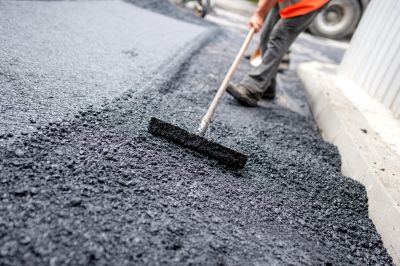
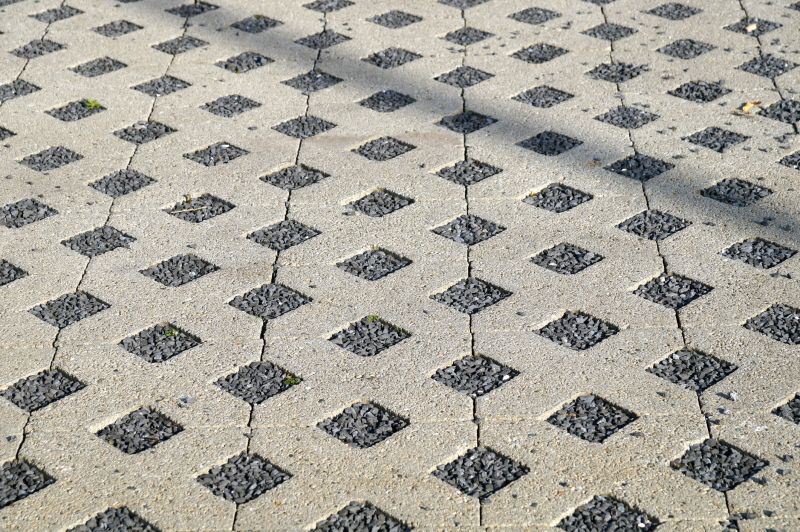
Loose fill paving installation services are commonly sought after by property owners who want to improve the functionality and appearance of their outdoor spaces. Whether updating a driveway, creating a new parking area, or enhancing a garden pathway, local contractors can provide the expertise needed to handle these projects efficiently. Property owners often look for reliable service providers to ensure the paving is durable, properly installed, and suited to their specific needs, especially when dealing with uneven terrain or existing landscaping.
In addition, many property owners turn to local service providers for loose fill paving when they need a cost-effective and flexible surfacing option. These projects might include repairing or expanding existing paved areas, adding new features like decorative borders, or addressing drainage concerns. Local contractors can help assess the site, recommend suitable materials, and deliver a finished result that complements the property’s overall look and functionality.
What is loose fill paving? Loose fill paving involves spreading small, loose materials like gravel or crushed stone to create a permeable surface suitable for pathways, driveways, or patios.
How is loose fill paving installed? Local contractors typically prepare the base, spread the loose materials evenly, and ensure proper compaction to achieve a stable surface.
What types of materials are used for loose fill paving? Common materials include gravel, crushed stone, decomposed granite, and other small, loose aggregates suitable for paving applications.
Is loose fill paving suitable for high-traffic areas? Yes, when installed properly by experienced service providers, loose fill paving can be durable enough for various levels of foot and vehicle traffic.
Can loose fill paving be customized in design? Yes, local service providers can offer different material options and arrangements to achieve desired aesthetic and functional outcomes.
Driveway Renovation - Enhance the appearance and functionality of a driveway by installing loose fill paving for better drainage and a natural look.
Garden Pathways - Create attractive and practical walkways through gardens or yards using loose fill paving materials.
Patio Areas - Expand outdoor living spaces with paved patios that provide a stable surface for furniture and gatherings.
Parking Spaces - Improve parking areas with loose fill paving that offers a durable and flexible surface for vehicles.
If you are thinking about Loose Fill Paving Installation for a property, this guide is meant to help you understand the work, the typical project types, and how different options might fit your plans.
When you are ready, you can use the quote form on this page to share a few details about your project. From there, local pros can review the basics and respond with options that match what you have in mind.